
Roxbury Root Zone Calculation for TPZ Fencing: Compliance Guide
Puddingstone Temp Fence provides precise Root Zone Calculation for TPZ Fencing in Roxbury, MA, ensuring compliance with local regulations. Serving neighborhoods like Nubian Square and Roxbury, our expertise helps avoid municipal fines in Roxbury's unique climate with 19.6 inches of annual precipitation. Trust our local knowledge for your fencing needs.
Root Zone Calculation for TPZ Fencing in Roxbury
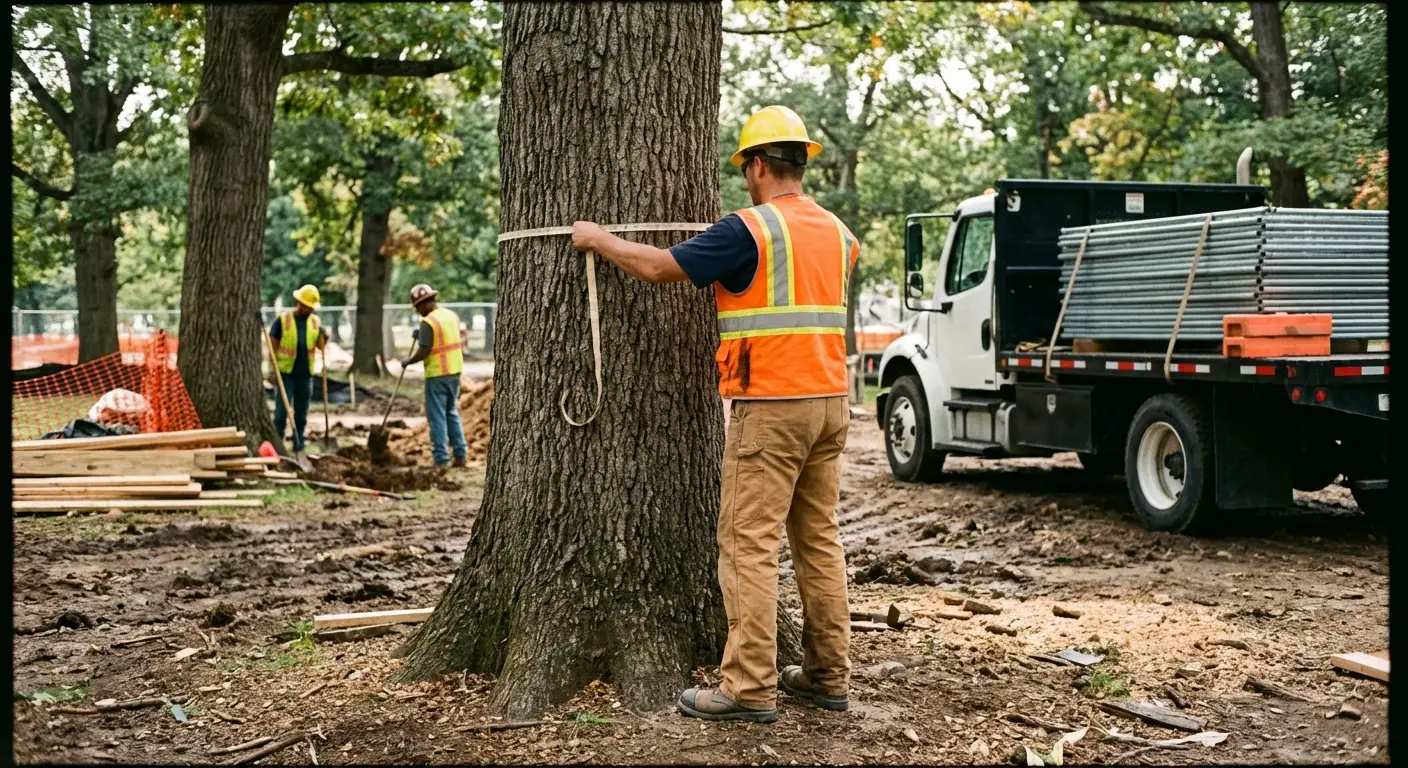
When we set TPZ fencing in Roxbury, we start with the root zone calculation, not the fence panel. That matters around Nubian Square and the mixed-use buildings near it, where digging room runs tight and the soil line changes fast from block to block. We measure the tree’s trunk diameter, map the protected zone, then place the line so the crew isn’t compacting roots with foot traffic or staging. On windy days, we’ll lean on heavier hardware and clean tie-ins so the fence stays put without shifting over the root area. We get it up fast, so you can get back to it.
Calculation Steps
- I measure the tree’s critical root zone before we set a single post, because the fence line has to protect the soil that feeds the canopy.
- I match the TPZ layout to the site conditions we see in Roxbury, including tight sidewalks, mixed-use corners, and active work zones around Nubian Square.
- I keep the fence footprint clear of roots, drainage paths, and access points so crews don’t end up fighting the setup later.
- I check the layout against tree protection ordinances in Roxbury and the job’s field conditions before we roll hardware in.
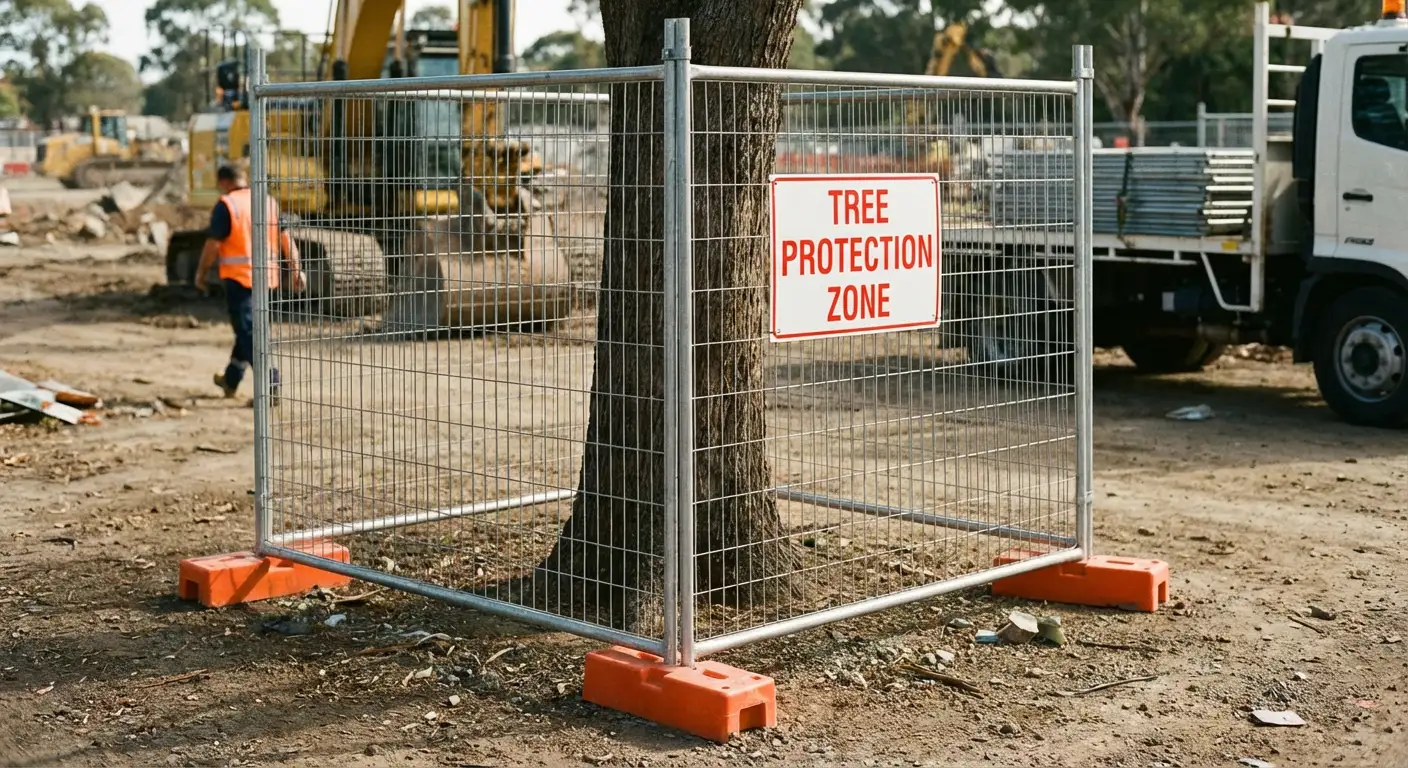
- I use the right rental pieces for the setup, including tree protection zones, concrete steel bases, and wind load resistance when the open street exposure picks up.
| Step | What we do | Why it matters |
|---|---|---|
| Measure the trunk | We use the trunk size to set the TPZ radius. | That keeps the fence aligned to the tree’s actual root protection needs. |
| Map the clearance | We mark the fence outside the sensitive root area. | That reduces compaction from boots, carts, and delivery traffic. |
| Pick the hardware | We pair panels with bases, gates, and stability features. | That helps the setup hold on active Roxbury sites with wind and constant movement. |
Calculating Root Zones for Roxbury TPZ Fencing
In Roxbury's John Eliot Square and Roxbury (Fort Hill), TPZ fencing requires calculating the dripline radius plus a 2ft buffer for equipment clearance. Washington Park projects must account for Hibernian Hall's historic tree protections. With 19.6in annual precipitation, fencing must prevent soil compaction without impeding drainage. Post-2000 mixed-use developments often require modular TPZ fencing that adapts to tight urban footprints while meeting Roxbury's low flood zone requirements. Use non-invasive bases to avoid root damage in clay-heavy soils. Reference local ordinances for heritage tree specifications.
Key Terminology
- TPZ
- Tree Protection Zone perimeter fencing
- Dripline
- Outer canopy edge for root spread
- Critical Root Zone
- Area requiring compaction prevention
- Soil Compaction
- Density increase harming root health
- Root Flare
- Base trunk transition to roots
- Dewatering
- Water removal risking root desiccation
In Simple Terms
Measure from trunk to dripline edge, add buffer for equipment clearance.
Root Zone Calculation for TPZ Fencing: Compliance Guide
Specifications for Temporary Protective Zone fencing ensure minimal root damage and regulatory compliance in Roxbury, MA.
| Root Zone Depth | Minimum 18 inches to avoid disturbance of major tree roots |
|---|---|
| Fence Post Spacing | Maximum 8 feet intervals to maintain structural stability |
| Barrier Material | Non-invasive geotextile fabric to protect root systems |
| Installation Method | Hand-dug post holes to minimize root damage |
| Compliance Standard | Meets OSHA and local Roxbury soil disturbance regulations |
| Price Range | $350-$550 per 100 linear feet installation |
| Signage Interval | Every 30 linear feet |
Root Zone Calculation: Essential TPZ Fencing Compliance in Roxbury
Protect underground infrastructure with precise temporary protection zone measurements.
Common Mistakes in Root Zone Calculation for TPZ Fencing Compliance
In Roxbury, where rapid development and sensitive tree zones collide, accurate root zone calculation becomes crucial. Our crew has seen firsthand how skipping steps leads to costly rework and environmental damage.
Ignoring Tree Species Variability in Root Zone Sizing
Misjudging root zone dimensions based on generic standards risks harming critical roots, which can destabilize trees and violate local protection ordinances.
Assess each tree species individually, adapting root zone radius according to growth patterns and canopy spread confirmed by onsite inspection.
Using Inaccurate Measurements from Aerial or Drone Images Alone
Relying solely on aerial views misses underground root spread nuances, leading to fences placed too close or damaging roots unseen from above.
Combine aerial data with ground-level probing and handheld measuring tools to confirm root zone boundaries before installation.
Failing to Account for Soil and Climate Conditions Unique to Roxbury
Ignoring Roxbury’s seasonal freeze-thaw cycles and wet soil zones causes root damage and fence instability, especially near flood-prone areas.
Include local climate data and soil tests in planning, adjusting root zone protection to accommodate swelling and drainage patterns.
Neglecting Compliance with Local Tree Protection Ordinances
Noncompliance can trigger fines and project delays, particularly around sensitive sites like the Islamic Society of Boston Cultural Center.
Review city codes and integrate tree protection plans in all fencing layouts, coordinating with local authorities when necessary.
Improper Equipment Use That Compacts Soil Within Root Zones
Heavy machinery or post-driven fence methods compact soil, suffocating roots and impairing tree health long-term.
Opt for lightweight, modular fencing components and hand-installation methods to minimize soil disturbance inside the tree protection zone.
Root Zone Calculation for TPZ Fencing: Compliance Guide in Roxbury
We calculate TPZ fencing the same way we’d protect a tree on our own jobsite: start with the roots, respect the ground, and leave room for the crew to work without cutting corners. Around Roxbury, that matters because rapid redevelopment, tight sidewalks, and weather swings all fight the fence layout. We measure the protection zone first, then choose stable hardware, clear markers, and a setup that holds through traffic, wind, and daily use.
-
Start with the trunk protection zone, not the fence line
When we calculate TPZ fencing, we begin with the tree’s root protection area and work backward to the layout. That means I’m looking at canopy spread, trunk size, soil cover, and where crews, lifts, or deliveries will actually move. In Roxbury, especially around post-2000 mixed-use sites near Nubian Square, tight footprints leave almost no room for guesswork, so we mark the protected zone before a panel ever comes off the truck.In PracticeOn a project near Nubian Square, our crew laid out tree protection zones first, then set chain-link panels outside the root area so sidewalk work stayed compliant.
-
Use base stability that matches the ground and weather
A TPZ fence only works if it stays put through wind, rain, and daily trade traffic. I’ve seen light setups drift after a wet spell or loosen on uneven pavement, so we pick the base system to match the site. Around Roxbury, frozen ground in winter and quick afternoon storms in warmer months both push us toward heavier footing where the roots need real separation from disturbance.In PracticeAt a hillside job near Roxbury (Fort Hill), we used concrete steel bases to keep post-driven fence sections steady on uneven ground.
-
Keep the setup visible, readable, and hard to breach
The best TPZ fence doesn’t just measure out correctly; it tells every worker what stays out. We add clear boundaries, solid connections, and enough visual presence that nobody “steps in for a second” with a wheelbarrow or skid steer. That matters near active corridors and event spaces, where foot traffic and deliveries can crowd the work zone faster than people expect.In PracticeNear the John Eliot Square district, we paired interlocking hooks with wind load resistance so the tree protection ordinances stayed easy to read around the site edge.
-
Tie the calculation back to site operations, not just tree biology
A TPZ radius looks simple on paper, but real compliance depends on how the job runs. I’m thinking about dumpster routes, material staging, stormwater paths, and where the crew needs to turn equipment without clipping roots. In Roxbury’s low flood zone, drainage still matters because compacted soil around a tree sheds water poorly, so we keep the fence far enough out to protect both roots and the work flow.In PracticeDuring a utility cut near Mount Pleasant, we combined zero trip hazard hardware with fence blow over prevention so crews could move materials without crowding the tree line.
We get it up fast, so you can get back to it.
FAQ: Root Zone Calculation for TPZ Fencing in Roxbury, MA
Roxbury TPZ fencing questions for Mount Pleasant, Nubian Square, and John Eliot Square jobs near Tropical Foods.
How is the root zone measured for TPZ fencing in Roxbury, MA?
Measure from the tree trunk at breast height and extend the protected radius to the dripline or to the arborist-defined root zone. In Mount Pleasant and Nubian Square, mixed-use post-2000 sites often compress roots under walks and utilities, so field crews verify on-site conditions before setting fence lines.
Why does TPZ fencing matter near construction in John Eliot Square?
TPZ fencing keeps heavy equipment, stockpiles, and washout away from shallow roots and soil structure. Around John Eliot Square, older street trees near new mid-rise retail footprints face compaction from staging, and once the soil mats down, root oxygen drops fast.
What site conditions affect root zone calculations in Roxbury, MA?
Roxbury’s low flood zone, 19.6 inches of annual precipitation, and 122 days below 32F affect access and soil moisture. In Nubian Square, frozen ground changes stake placement, while summer heat near Tropical Foods can dry exposed roots and shrink the workable fence line.
How do local sidewalks and utilities change TPZ fence layout?
Sidewalk edges, curb cuts, and buried services often force a tighter layout than the canopy suggests. In Mount Pleasant and around Tropical Foods, crews check for utility covers, storefront access, and pedestrian clear paths before setting the TPZ so the fence stays inside workable limits.
What happens if the root zone is larger than the site boundary?
When the calculated root zone crosses the property line, the fence plan follows the available construction envelope and protects the most sensitive side first. In John Eliot Square, that usually means shifting staging, tightening access routes, and documenting the constraint for the Roxbury site record.
How do OSHA and EPA concerns affect TPZ fencing work?
OSHA and EPA expectations shape how crews store soil, control dust, and keep equipment out of protected root areas. In Roxbury, MA, that means stable panels, no trench spoil inside the fence, and no tracking mud across Nubian Square walks or into adjacent mixed-use entries.
Root Zone Calculation for TPZ Fencing Compliance Guide
Ensure TPZ fencing installation meets all local Roxbury, MA regulations and OSHA standards for root zone protection and safety.
Trusted by Roxbury contractors for compliant TPZ fencing solutions